When I first arrived in Geneva, my impression of the city was largely defined by its international stature—the UN headquarters, various global organizations, and the serene vistas of Lake Geneva. Yet, what truly forged a deep connection between me and the city wasn’t these landmarks, but its food. Geneva’s cuisine doesn’t rely on “bold, aggressive styles” to make an impression; instead, it reflects a lifestyle that is refined, restrained, and deeply attentive to quality.
Here, dining is not merely about satisfying hunger; it is an integral part of the city’s rhythm. From light bites by the lakeside and traditional Swiss dishes in the Old Town to fusion cuisine in international restaurants—and the ubiquitous presence of chocolates and pastries—every mouthful conveys the city’s unique character. This account chronicles my personal culinary journey through Geneva.
First Meal by the Lake: Understanding the City’s Flavor Through Lake Geneva Fish
For my first proper meal after arriving in Geneva, I chose a spot by the lake. The restaurant featured floor-to-ceiling windows facing the water; sunlight made the surface shimmer gently, while the Jet d’Eau fountain in the distance sent its plume of water rising—acting like the city’s signature heartbeat.
I ordered a quintessential local dish: Lake Geneva perch fillets (Filets de perche). When the plate arrived, the fish boasted a pristine golden-yellow hue, accompanied simply by lemon, french fries, and a basic salad—devoid of excessive garnishes.
With the very first bite, I immediately noticed the difference. The fish was incredibly tender and delicate, completely free of any “fishy” odor, offering only a clean, sweet freshness. The exterior was lightly pan-seared, carrying a hint of caramelized aroma, while the inside remained soft and succulent. A gentle squeeze of lemon juice instantly brightened the flavor profile.
I savored the meal slowly, captivated by the tranquil lakeside view. Boats would occasionally drift by, leaving faint ripples in their wake. In that moment, the food and the setting merged seamlessly; I realized for the first time that Geneva’s cuisine doesn’t seek to startle the palate, but rather offers a dining experience defined by “purity and consistency.”
Swiss Classic: A Slow-Paced Lifestyle in a Cheese Fondue Pot
On the second evening, I tried one of Switzerland’s most iconic dishes: cheese fondue. The restaurant is tucked away on a quiet street in the Old Town; with its wooden structure, warm lighting, and the faint aroma of cheese, the atmosphere invites you to slow down the moment you step inside.
The cheese in the pot bubbled gently, releasing a rich, rising aroma. It was served with cubes of bread, potatoes, and pickles. I hesitated a bit before dipping my bread for the first time, as the cheese had a much stronger flavor than I expected—a blend of wine notes and the tang of fermentation.
But by the second and third bites, as I grew accustomed to the taste, I began to appreciate the charm of the dish. It wasn’t just about the food itself; it was a social experience. Everyone sat around the pot of cheese, chatting as they ate; there was no rush, and time seemed to stretch out leisurely.
This meal made me realize that the culinary culture of Geneva—and Switzerland as a whole—doesn’t prioritize speed; instead, it emphasizes sharing and lingering.
Market Experience: A Taste of Geneva’s Everyday Life
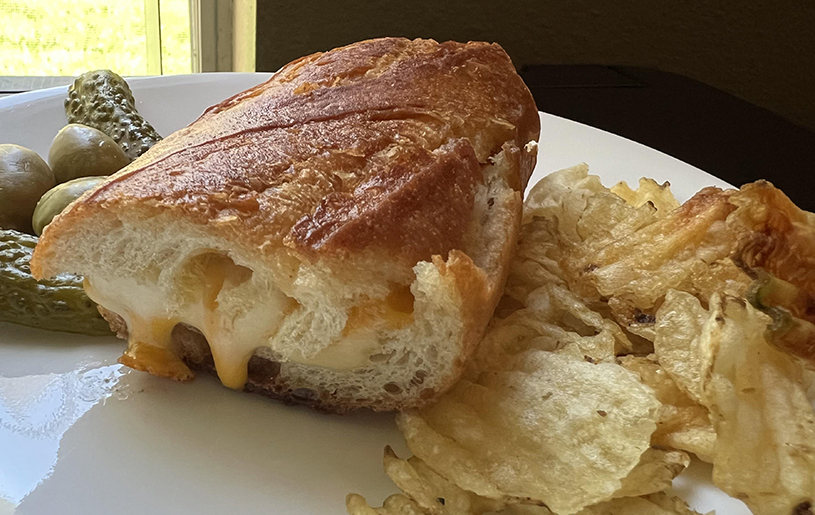
One morning, I visited a local market in Geneva. Compared to restaurants, this setting offered a more authentic glimpse into the city’s food culture. The stalls were piled high with cheese, bread, fruit, chocolate, and fresh meat—items that looked unpretentious yet were of exceptional quality.
I tried a small piece of aged cheese; the flavor was intense, with distinct nutty and fermented notes—far more direct than the cheese fondue. It was almost startling at first, but the more I chewed, the more I could appreciate its complex layers of flavor.
Afterward, I bought a loaf of freshly baked bread and ate it right there on the street. It had a crisp crust and a soft interior; unadorned by complex seasonings, it was simply hearty and satisfying. That simple pleasure made me realize that what makes food “good” in Geneva doesn’t rely on elaborate techniques, but rather on the quality of the raw ingredients themselves.
The World of Chocolate: The Swiss Soul in Dessert
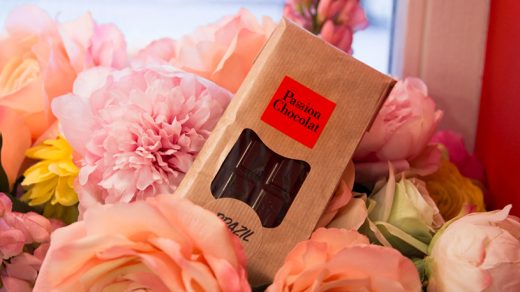
You can hardly visit Geneva without encountering chocolate. I stepped into several different shops—ranging from traditional brands to artisanal boutiques—each with its own unique style.
What impressed me most was a small, artisanal chocolate shop. The space was compact, yet every piece of chocolate was displayed like a work of art. The shop assistant patiently explained the differences in cocoa origins, fermentation methods, and flavor profiles.
I tried a piece of 70% dark chocolate; the taste was incredibly pure—distinctly bitter yet smooth, without any harshness—gradually revealing notes of nuts and a hint of fruitiness. Unlike ordinary desserts that offer an immediate, sugary satisfaction, this experience allowed the flavors to unfold slowly on the palate.
Another classic chocolate brand leaned towards the style of exquisite gift boxes; the packaging was meticulously designed, making the chocolates perfect as souvenirs. Each box seemed to encapsulate Swiss culture: precise, refined, and restrained, yet of exceptional quality.
A Global Table: The Fusion Cuisine Experience in Geneva
As an international city, Geneva boasts a diverse culinary landscape. One can easily find restaurants serving Italian, French, Middle Eastern, and Asian cuisines, among others.
I chose a fusion restaurant for dinner. The menu featured a modern design, with every dish blending elements from different cultures. For instance, a fish dish combined Mediterranean spices with local Swiss ingredients, creating a flavor profile that felt both familiar and novel.
The main course was exquisitely plated, yet the flavor was not overly complex, emphasizing balance instead. The dessert was light and delicate—never cloying—serving as a gentle conclusion to the meal.
This dining experience revealed another side of Geneva: it is not merely a city of traditional Swiss cuisine, but a crossroads of global culinary cultures.
Coffee and Dessert: A Pause in the City’s Rhythm
In Geneva, the culinary experience extends beyond main meals; cafés play a vital role as well. I made it a habit to sit in a café for a while almost every day.
A small café in the Old Town left a lasting impression on me. The space was compact yet quiet; the combination of wooden furniture and soft lighting made it easy to unwind.
I ordered a latte and a nut cake. The coffee was smooth—neither bitter nor acidic—offering a beautifully balanced flavor. The cake featured distinct nutty textures; it was substantial yet not overly sweet.
Sitting by the window and watching the street life flow by, I realized that the local coffee culture mirrors the city itself: unpretentious, yet steady and reliable.
Evening Dessert: A Gentle Way to End the Day
On my final night in Geneva, I chose to have dessert by the lake rather than a full meal. The lake was incredibly tranquil at night, and the Jet d’Eau fountain looked truly dreamlike under the illumination of the lights.
I ordered a slice of chocolate cake and a hot beverage. The cake was rich yet not overly sweet, with a subtle bitterness characteristic of fine dark chocolate.
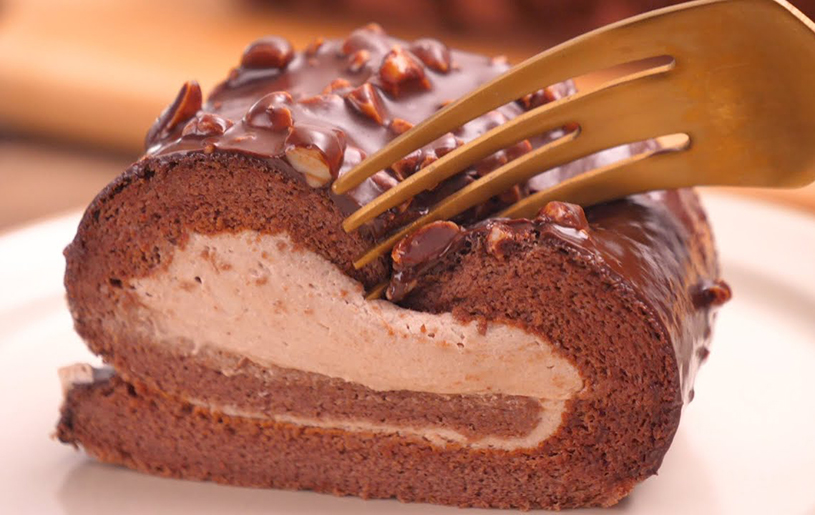
As I slowly savored the dessert, a distinct realization dawned on me: Geneva’s culinary scene does not aim to dazzle with sensationalism; instead, it builds lasting memories through consistency and restraint.
Understanding Geneva Through Taste
Reflecting on this culinary journey, it becomes clear that Geneva’s food culture is not defined by a single style but is composed of many layers: lakeside fish dishes evoke nature and freshness; cheese fondue embodies tradition and social connection; markets reflect the authenticity of daily life; chocolate represents Swiss craftsmanship; and international restaurants showcase the city’s openness.
Geneva’s cuisine is not designed merely to stimulate the palate, but to cultivate a lifestyle of balance, restraint, and high quality. What remains upon departure is not just the memory of flavors, but a deeper understanding of what it means to slow down and truly experience life.