Whenever I mention Venice, my friends’ first reactions are always something like, “Isn’t it super crowded?”, “Isn’t everything overpriced?”, or “Besides the piazzas and canals, is there even anything else to see?” These questions are fair. This city, floating on a lagoon, draws millions of tourists every year, and places like St. Mark’s Square, the Bridge of Sighs, and Rialto Bridge have become over-photographed landmarks.
But even in this heavily toured city, I’ve time and again found little pockets of surprise and peace.This time, I chose to stray from the usual routes and wander into the parts of Venice untouched by the crowds, seeking out its true rhythm of life.
1. Before You Go: Timing is Everything
Best Time to Visit
Venice doesn’t need summer sunshine to show her beauty. In fact, summer (June–August) is the most crowded season: hot, humid, and packed with people, often making it hard to move. I went in mid-March—right before Easter holidays. The weather was mild but not hot, and most of the people on the streets were locals speaking Italian, not flocks of tourists.
If you want to avoid the crowds but still enjoy pleasant weather, consider these timeframes:
• Mid-March to early April: spring blossoms and fresh air.
• Mid-October to early November: ideal lighting and autumn charm for photography.
• Before mid-December or after mid-January: cold but festive, with the crowds gone post-holiday.
What to Pack
Venice is damp and chilly in winter, humid in summer, and windy in spring and fall. Always check the forecast. I visited in March and found a mid-length trench coat, wool sweater, and scarf perfect. Rain boots weren’t necessary, but waterproof, comfortable shoes are a must. You’ll walk a lot—over cobbled paths and countless steps.
2. Where to Stay: On the Island, But Off the Beaten Track
Many travelers opt to stay outside the main island (like in Mestre) to save on budget. It’s cheaper, and transportation is decent. But if you want to wake up to the quiet of the canals and the morning mist, I highly recommend staying in a quieter, residential part of the main island.
Recommended Areas:
• Dorsoduro: Quiet, artistic, and very local. Near Peggy Guggenheim Collection and Accademia Bridge.
• Cannaregio: One of the most “lived-in” districts, filled with bars and eateries along Fondamenta della Misericordia, much calmer than the San Marco area at night.
• Edge of San Polo: Close to the Rialto Market but far enough from the bridge to be peaceful.
Accommodation Platforms:
• Airbnb: Ideal for immersing yourself in the local vibe. I stayed in a two-story canal-side home where I could hear oars in the morning and sip wine by the window at night.
• Booking or Boutique B&Bs: Check for reviews mentioning noise, dampness, or stairs—many old buildings lack elevators, so beware if you have heavy luggage.
3. Getting Around: No Gondola? No Problem
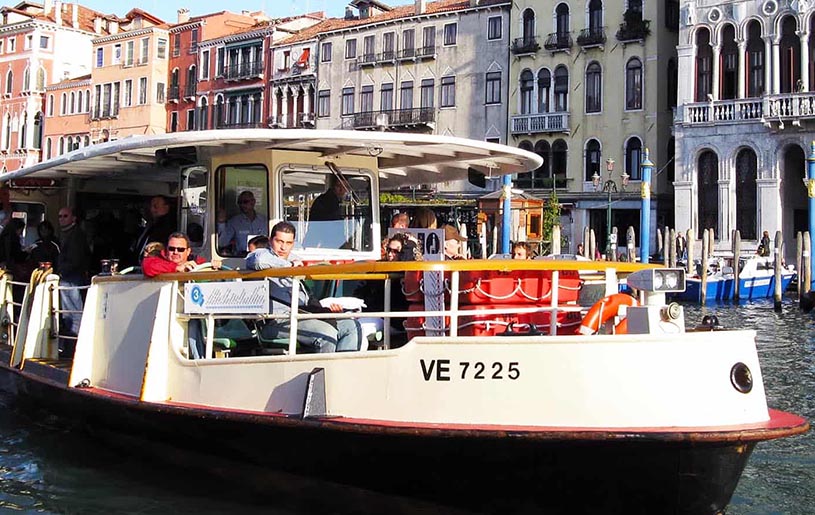
Vaporetto (Water Bus): The Lifeblood of the City
The best way to navigate Venice without relying on costly private gondolas is by taking the Vaporetto, Venice’s public water bus. I bought an ACTV travel pass that covered unlimited rides (available in 1-, 2-, 3-, or 7-day options). While not exactly cheap, it paid off within a day given how much I used it. You can hop on and off across the lagoon and explore the entire city and nearby islands.
My favorite route was Line 1, which snakes through the Grand Canal like a scenic highway, offering views of Venice’s most iconic sights—Palazzi, bridges, domes—at a pace perfect for soaking it all in. At sunset, the golden hues reflecting off the water and marble facades create a dreamlike experience you’ll remember long after you leave.
If you want a broader orientation of the city, Lines 5.1 and 5.2 are circular and faster, connecting outer districts and important transit points. Great for when you’re not just sightseeing but need to get somewhere.
Ticket Tip: Don’t wait till you’re boarding—buy your ticket at Santa Lucia station or via the “AVM Venezia Official” app. Conductors do check regularly, and fines can be steep if you’re caught without a valid ticket. Be sure to validate your pass each time you board.
Traghetti (Gondola Ferry): A Local Shortcut
Forget the €80+ gondola rides catered to tourists. Venetians have a practical alternative: traghetti, basic gondola ferries operated by two oarsmen, offering short crossings over the Grand Canal for just €2. You typically stand during the crossing, which only lasts a minute or two, but it’s a charming, no-frills way to feel like a local.
I found this particularly handy near the Rialto Market at Santa Sofia, where locals hop across to Cannaregio for shopping or heading home. Another great point is San Tomà, connecting San Polo and San Marco—ideal if you don’t want to backtrack to a bridge.
These crossings are only available during certain hours (typically daytime), and some traghetti stops may close depending on tides or holidays. Always carry a few euros in coins, as many traghetti don’t accept cards or large bills. Even as a quick hop, it’s an unexpectedly authentic Venetian moment.
4. Avoiding Tourist Traps: How to Eat Like a Local
How to Spot a “Tourist Restaurant”:
Venice is notorious for overpriced, underwhelming tourist eateries, especially around hotspots like San Marco or Rialto Bridge. Here’s how I learned to identify and avoid them:
• If the restaurant has a sign advertising a “Tourist Menu”, especially one with 3 courses and a drink for a suspiciously low price—run.
• Avoid places where the menu is plastered with photos and comes in five languages.
• Beware if staff stand outside trying to lure you in, often in broken English or several other tongues.
• If the menu includes global staples like burgers, steak, pizza, Coke, and “Italian pasta” all together, it’s probably designed for people in a rush—not for those seeking flavor.
What You Should Try Instead:
One of my favorite parts of exploring Venice was hopping from bacaro to bacaro (local wine bars) to taste Cicchetti, the city’s answer to tapas. These small bites include cured meats, baccalà mantecato (whipped codfish), marinated veggies, and little sandwiches. Pair with an Aperol Spritz or a glass of house white wine for the full experience.
Must-Try Venetian Dishes:
• Cicchetti: Tapas-style bites paired with a Spritz or small white wine. Recommended spots:
- Cantine del Vino già Schiavi (Dorsoduro)
- Al Merca (by Rialto Market, stand-up eating only)
• Sarde in saor: Sardines marinated with onions, raisins, and pine nuts—sweet and sour.
• Bigoli in salsa: Thick pasta with anchovy and onion sauce.
• Spaghetti al nero di seppia: Squid ink pasta—deep flavor, messy teeth.
For Dessert:
• Frittelle: Fried dough balls filled with cream, raisins, or pine nuts (available during festivals).
• Buranelli: Rich butter cookies from Burano—perfect to take home as edible souvenirs.
5. A Day on the Islands: Glass, Lace & Candy-Colored Dreams
Murano: Famous for glassmaking. Though a bit touristy, many artisanal studios still welcome visitors. Avoid the main streets—wander into the back alleys to find real craftsmanship.
Burano: Venice’s most photogenic island. Every house is painted a different color—legend says it helped fishermen find home in the fog.
Don’t Miss:
• Local eateries on Galuppi Street—fresh seafood, fair prices
• Lace Museum—showcasing Burano’s intricate lacework
Extra Tip: Visit Torcello
Fewer visitors, but home to some of the oldest buildings in Venice. A true escape from the hustle.

6. Living Like a Local: Be a Venetian for a Day
Morning Espresso, Standing Up
Real Venetians don’t sit down with their lattes. They stand at the bar with an espresso and rush off. I loved a tiny old café in Cannaregio—Bar Pasticceria Palmisano—a bold, fruity espresso and a flaky croissant was the perfect quiet start to the day.
Shopping at the Market
Rialto Market starts buzzing by 6:30 a.m. Fishmongers, veggie sellers, spice vendors yelling in dialect—it’s therapeutic just to observe.
I’d often grab some olives, cheese, and ham from a deli nearby and sit by the canal to snack. It felt like I lived there.
Evenings by the Water
After sunset, the tourists disappear. The city softens. Reflections shimmer on the canals as street musicians play slow violin tunes. Find a quiet bar, order an Aperol Spritz, and just be. No scrolling, no rushing—just listening, watching, breathing.
7. One Last Walk: Souvenirs & Memories
Recommended Souvenirs:
• Hand-blown Murano glass
• Burano lace (tablecloths, handkerchiefs)
• Local artists’ postcards (many small galleries in Cannaregio)
• Handmade Venetian leather or masks (avoid mass-produced ones)
Note: Avoid the shops near the airport or train station—most souvenirs there are mass-made.
What Venice Taught Me
In Venice, there’s no need to rush, to chase, to queue. This is a city made for wandering, pausing, and breathing. You might find yourself in a dead-end alley, only to look up and see a weathered window or a clothesline swaying in the breeze—and that alone can move you.
Venice’s beauty isn’t in the polished postcards, but in the softness of its age, the slowness of its rhythm, and the disorderly charm of everyday life. I hope you, too, can find your own moment of stillness and heartbeat in this city of water.